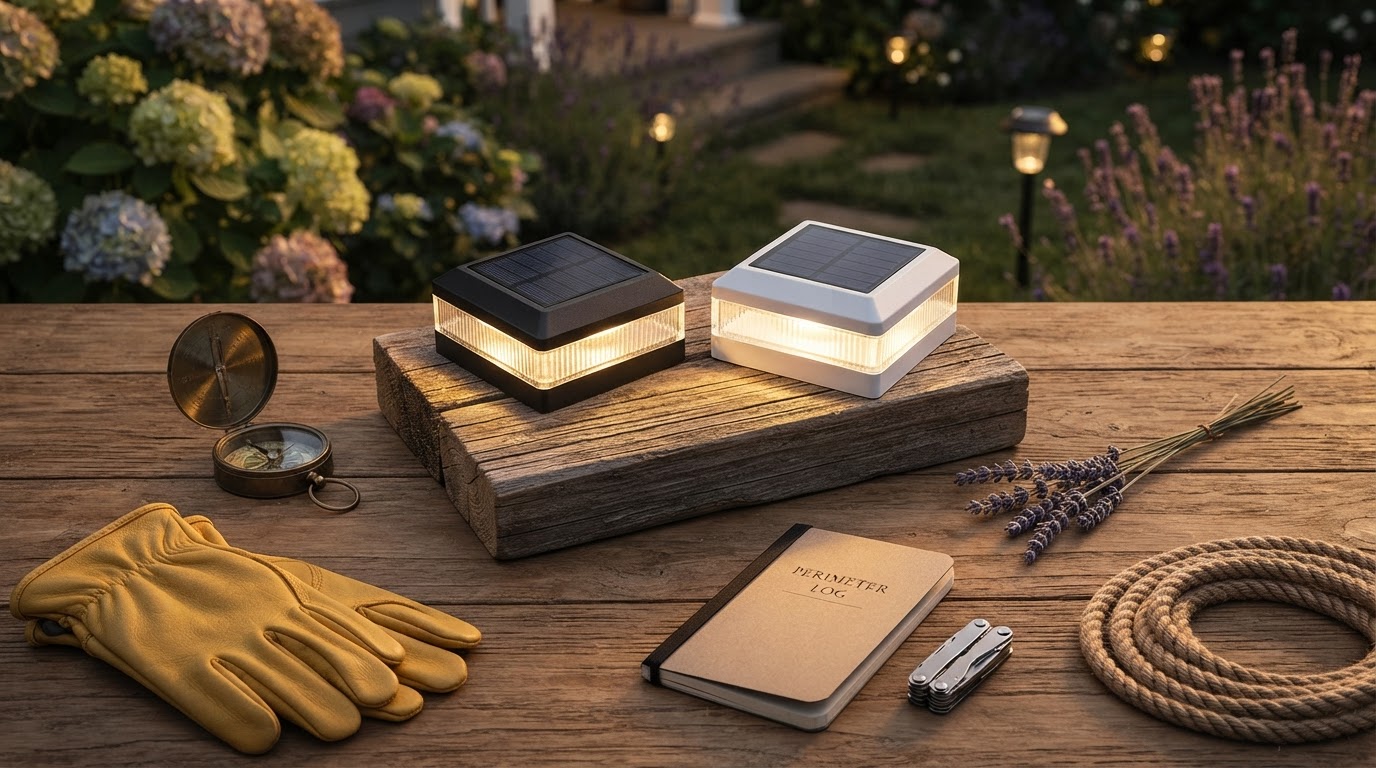
Selecting Solar Fence Post Lights for Residential Perimeter Security
 Maya ChenContributing Editor
September 9, 2026. This technical analysis examines the performance metrics and structural requirements of Solar Fence Post Lights for long-term residential use. It serves as a resource for homeowners transitioning from wired low-voltage systems to autonomous solar infrastructure.
The Failure of Conventional Outdoor Lighting Logic
The conventional wisdom says that more lumens necessarily equate to better security, yet this ignores the reality of glare and light pollution in residential zones. Many homeowners over-invest in high-intensity floodlights that create deep shadows, providing more cover for intruders rather than less. According to data gathered from community discussions regarding outdoor solar deck lights, the primary failure point is not the brightness of the bulb, but the degradation of the housing and battery under thermal stress. Most consumer-grade fixtures fail within eighteen months because they prioritize aesthetic design over IP (Ingress Protection) ratings. When integrating modern solar pillar lights into landscapes, the focus often shifts to style, but the technical reality of a 4x4 or 6x6 post cap requires a rigorous seal against moisture. Here’s the part nobody talks about: a solar light is only as effective as its ability to withstand the micro-climates created by wood and vinyl posts. Vinyl, in particular, retains heat differently than wood, which can lead to premature battery failure in substandard units that lack adequate ventilation or thermal decoupling.
Technical Specifications and Post Integration
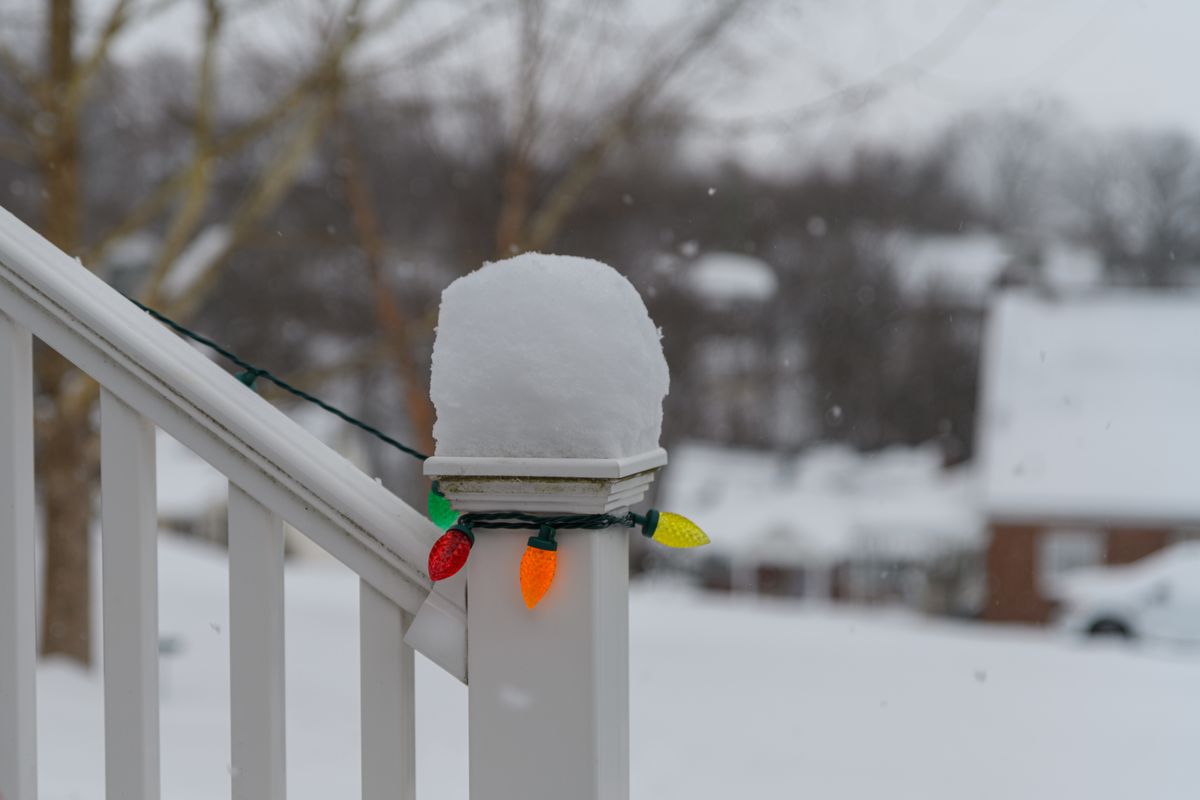
Solar Fence Post Lights must bridge the gap between architectural hardware and electronic reliability. The current market demand focuses heavily on 4x4 solar post caps, which registered over 22,200 search impressions recently, indicating a massive shift toward standard residential timber sizes. However, the performance delta between a standard cap and a waterproof solar garden post light is significant. Run the math: a typical NiMH battery in a solar fixture provides roughly 500 to 1,000 charge cycles. If the solar panel efficiency is below 19%, the unit will never reach a full charge during winter months, leading to deep discharge cycles that kill the battery in half the expected time. For those utilizing modern solar post cap lights, the design framework must account for the specific dimensions of the post, as a 6x6 solar post light has a larger surface area for solar collection but often uses the same internal battery capacity as a 4x4 model. This creates an imbalance where the larger unit charges faster but lacks the storage to utilize that energy throughout the night. Furthermore, the light temperature plays a critical role in visibility; there are distinct benefits to warm white solar fence lights regarding peripheral vision and reduced glare compared to the harsh blue-white LEDs that dominate the budget market. High-quality Solar Fence Post Lights utilize monocrystalline panels which maintain higher conversion rates even in partial shade, a necessity for posts located near tree lines or eaves.
The Engineering-First Selection Framework
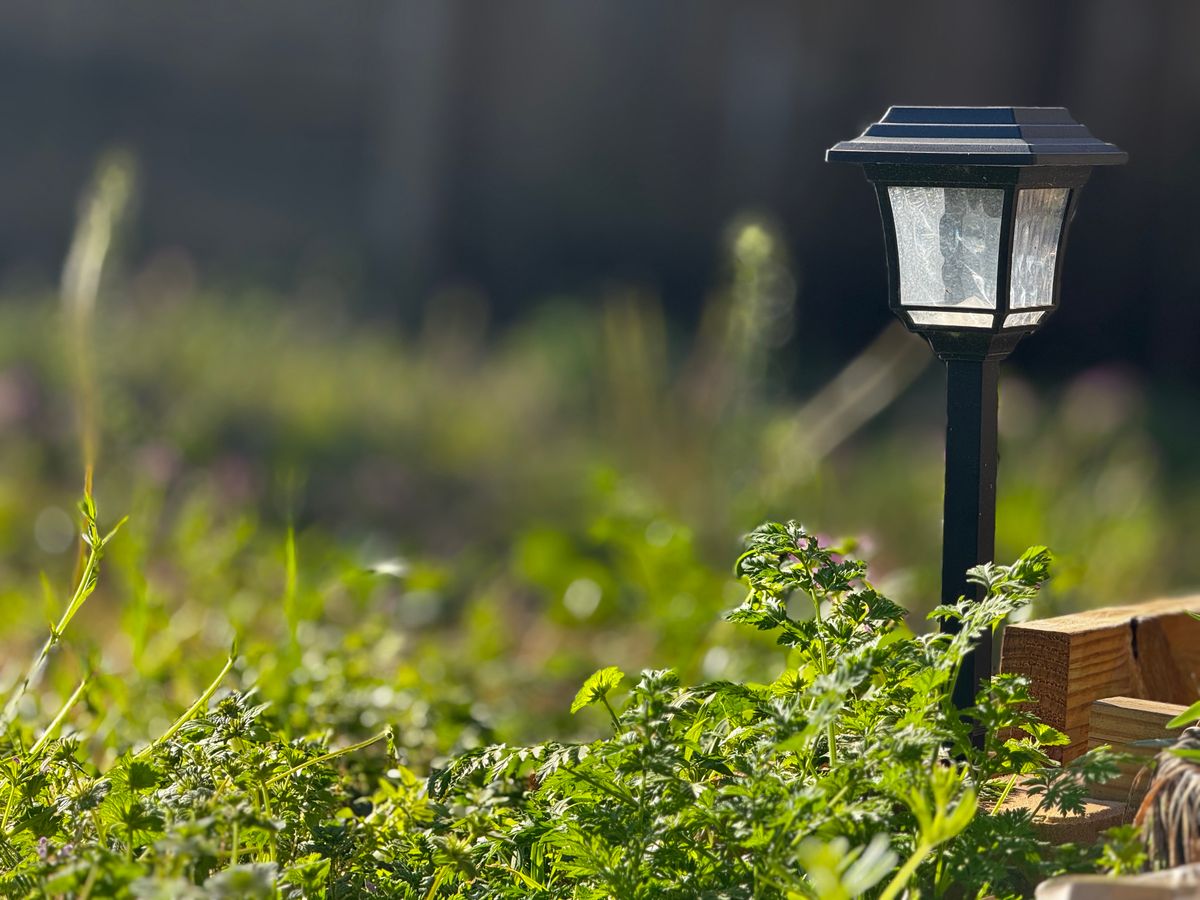
Choosing a lighting system based on price per unit is a losing strategy that results in landfill waste within two seasons. A sustainable perimeter lighting plan requires a framework based on material compatibility and electronic durability. When evaluating solar vinyl fence lights, which have seen a surge in interest with 9,900 recent queries, the mounting bracket must be checked for UV stabilization to prevent the yellowing and brittleness common in cheap plastics. I’ll change my mind when manufacturers start providing verified L70 lifespan ratings for their LEDs, but until then, the consumer must rely on build quality and ingress protection. Use the following checklist to evaluate potential hardware:
- Verify the IP rating is at least IP65 to ensure protection against rain and dust ingress.
- Confirm the internal battery is replaceable; non-replaceable batteries turn the entire fixture into electronic waste.
- Match the solar panel type to your geographic location, prioritizing monocrystalline for northern latitudes.
- Select a color temperature (measured in Kelvins) that aligns with your existing warm white solar fence lights to maintain visual consistency.
- Ensure the mounting base is compatible with actual post dimensions, noting that a '4x4' wood post is often 3.5 inches by 3.5 inches.
- Test the light duration against the shortest day of the year in your region to ensure the battery capacity meets the minimum requirement for modern solar pillar lights.
Shop Solar Fence Post Lights here.