Fence and Deck Lighting Layout Guide: How to Space Solar Post Lights for Optimal Glow
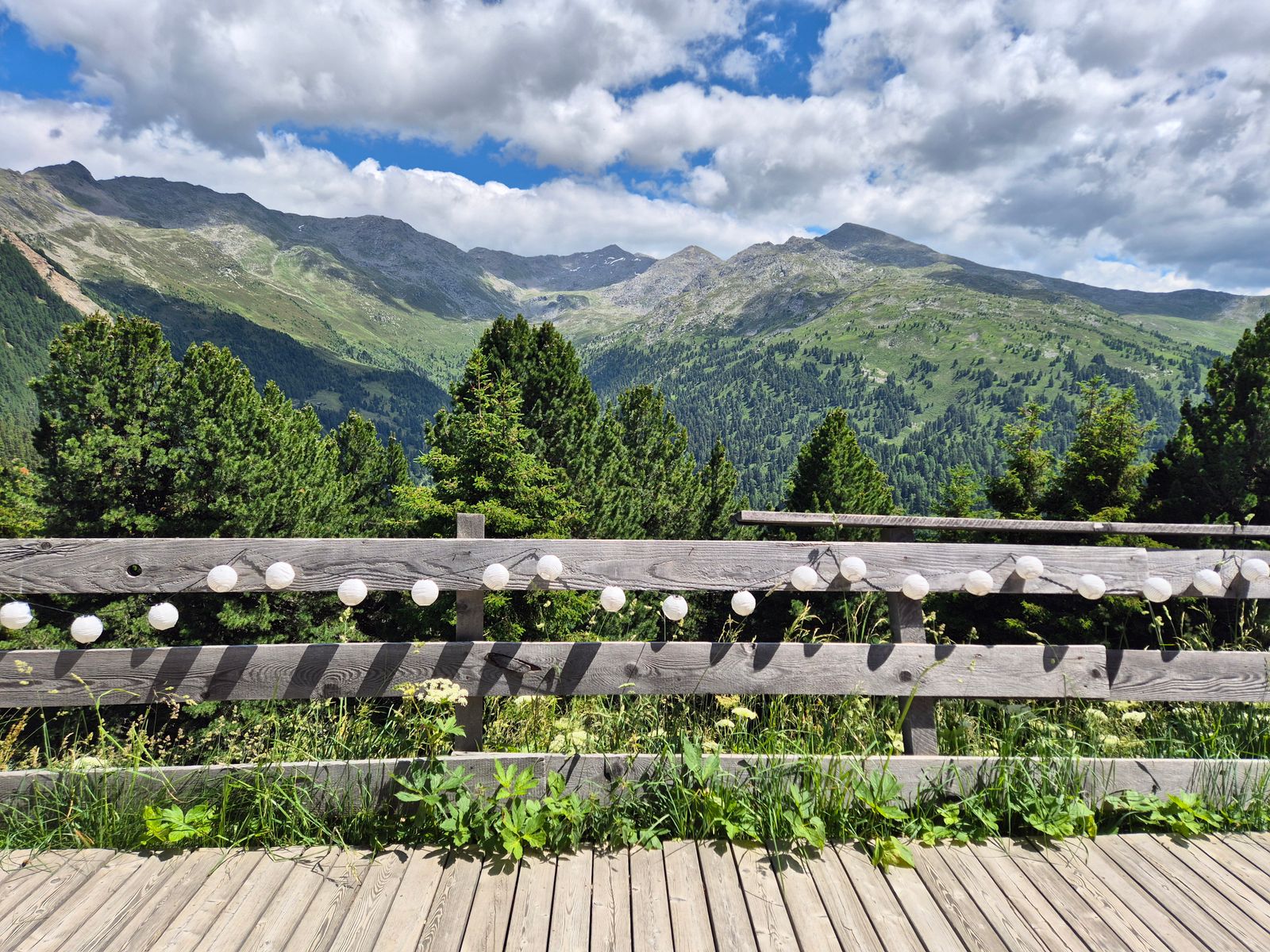
Space solar fence post lights on the posts that already exist: corners and gates first, then sunlit newels along the fence and deck so the glow reads as a continuous edge. Optimal glow is even rhythm, not a flood from every bay. MATULSA solar post cap lights sit on wood or vinyl, black for 4 in x 4 in or white for 3.5 in x 3.5 in or 4 in x 4 in, in 4-packs or 8-packs. Skip any post that cannot charge, even if it sits in a perfect grid.
Spacing is a post rhythm, not a tape through empty rail
Fence posts are already a module — often a bay of several feet between newels. Layout means choosing which of those newels get a cap. It does not mean adding a fake post in the middle of a bay to hit a round number.
Deck newels are the same: they already mark corners, stairs, and rail breaks. Cap those breaks first. Filling every intermediate post is a brighter rhythm, not a requirement for “optimal.”
Gardens and patio posts only join the spacing plan if they sit on the same visual line. A lone garden stub in a bed is not a fence module.
Corners, gates, stairs, then the long bays
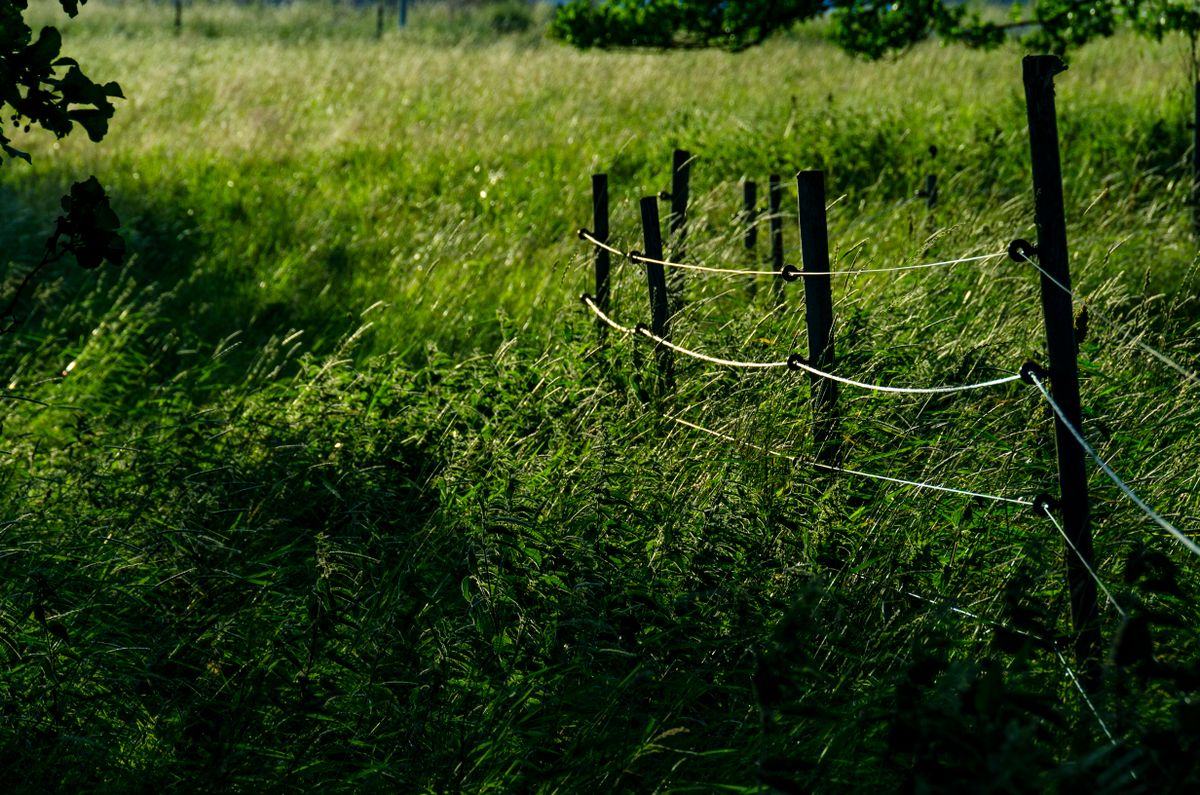
Photo by Alexander Zvir on Pexels
Corners turn the line into a shape. Gate posts mark entry. Deck stair newels mark a change of level. Those posts do more for readable glow than three extra caps on an already-bright straight run.
After those anchors, choose a rhythm: every post, or every other post, along sunlit tops. Every post is a tight string of beads. Every other post is a calmer dotted line. Both can look even if the skipped posts are regular and the sun still reaches the ones you kept.
If a skipped post is a corner, the rhythm is wrong. Corners are not skippable just to save a pack.
Sun breaks pretty spacing, and it should
A north eave post in the middle of an every-post plan will go dark and punch a hole in the glow. That is worse than an honest skip. Optimal glow includes the decision to break the pattern where the sky path fails, or to prune so the pattern can hold.
Walk at midday and at night. Night shows holes. Midday shows which “holes” were never going to charge.
Waterproof outdoor caps still need a seated rim at corners, where wind is strongest. A missing corner cap after a gust is a spacing failure the layout did not intend.
Packs follow the map, the map does not follow the carton
Count the posts that survived the corner-gate-stair pass and the sun pass. Four is a 4-pack. Eight is an 8-pack. Thirteen is more than one pack, still without the shaded extras.
Keep 3-color-changing modes the same along a fence run and the deck it meets. Mixed modes make even spacing look uneven because the eye reads color as a gap.
Measure 3.5 versus 4 before the second pack. A layout that mixes openings needs white for both listed sizes, or two styles zoned by size, not a forced black cap on a 3.5-inch spacer post.
Spacing rhythms for fence and deck post caps
| Rhythm | How the glow reads | Use when | | --- | --- | --- | | Corners and gates only | A shape with dark sides | First night; small 4-pack; testing the view | | Every other sunlit post | A dotted, even line | Long fences where every post would over-occupy | | Every sunlit post | A tight bead of caps | Short decks and short street faces | | Anchors plus gap fillers | Holes closed without a full census | One dark bay remains after anchors | | Forced even grid including shade | A dead bead in the middle | Never; skip or prune instead |
Two nights to prove the spacing
Night one: anchors only. See whether the fence and deck already read. Night two: add the next sunlit posts that still sit in a hole, staying on every-other or every-post once that choice is made. Stop when the line connects.
Do not space by brightness claims that are not listed. Post caps mark posts. Grass can stay dark. Optimal glow is a readable architecture line, not a sports field.
If the deck is a ring and the fence is a rectangle, treat them as two runs that share a mode. Spacing inside each run can differ — a tight deck ring, a dotted fence — without looking like a mistake.
Fence and deck spacing checklist
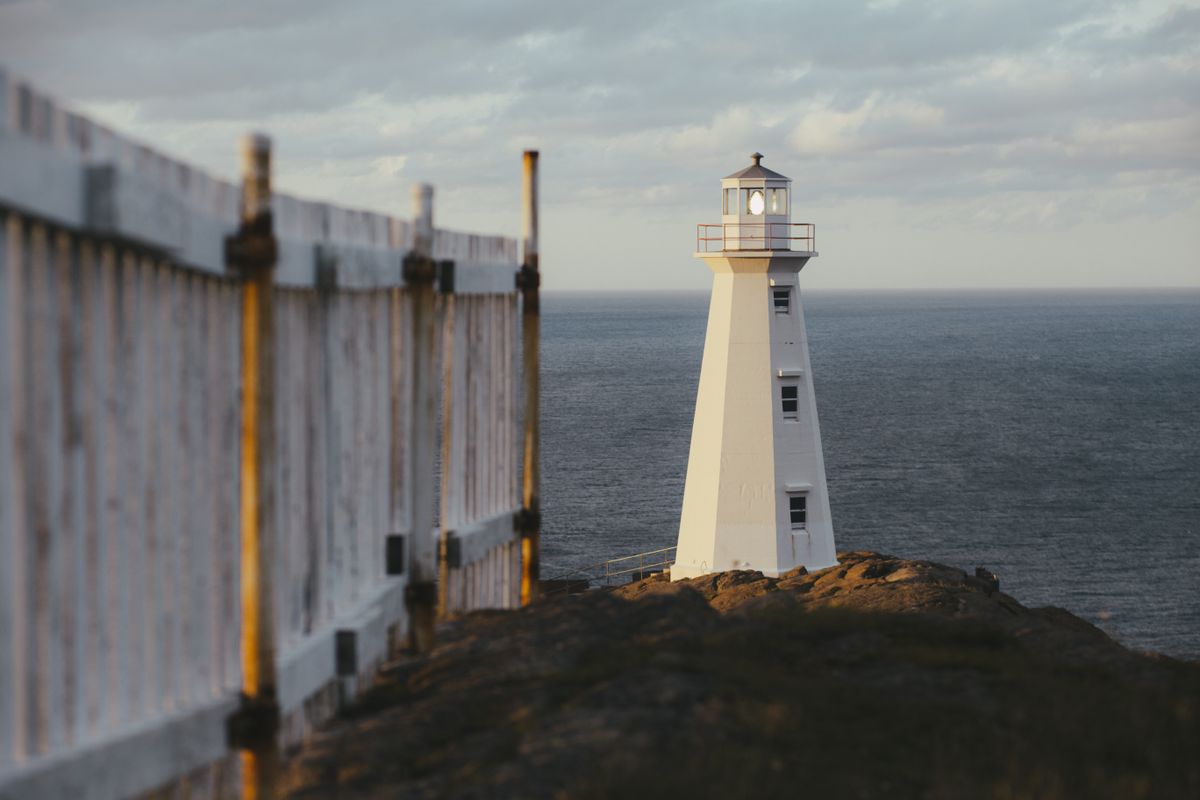
Photo by Erik Mclean on Pexels
- Mark corners, gates, and stair newels first.
- Walk at midday; drop posts that cannot charge.
- Choose every-post or every-other-post on the rest.
- Measure 3.5 or 4; assign black or white caps.
- Set one 3-color-changing mode along connected runs.
- Buy 4-packs or 8-packs to the surviving count.
Frequently asked questions
How many feet should sit between solar post lights?
Use the fence’s existing post spacing. Light every post or every other post. Do not invent a post in the bay.
Is every-other-post too dark?
On a long side yard it can be enough if corners and gates are lit. Add the next sunlit post only where a hole remains.
Should deck spacing match fence spacing?
They can share a color mode and differ in rhythm. Decks are often every newel; fences are often every other post.
What if one bay is twice as wide as the others?
That is still one post on each end. Do not hang a cap on the rail to fake a midpoint.
Does a 4-pack dictate the layout?
No. The map dictates the pack. Four anchors are a 4-pack even on a large lot.
Related reading
Perimeter, dark-spot, and idea pages that support a post-cap spacing map.
- how to eliminate dark spots along a property line
- perimeter lighting strategies using color-changing post lights
- inspiring backyard solar fence lighting ideas
- outdoor fence lighting ideas for a backyard
What to do next
Walk the fence and deck with two colors of tape: anchors, then optional fillers. Strike any post in shade. Measure the rest for 3.5 or 4, pick a rhythm, and match a 4-pack or 8-pack to that count. Optimal glow is that spacing of real posts, not a tighter grid drawn through empty air.
Cover photo by Anne van der Valk on Pexels.