
A 3-Step Setup for Solar Fence Post Lights Without Wiring
 Maya ChenContributing Editor
September 1, 2026 — The shift toward modular outdoor improvement has centered on Solar Fence Post Lights as a primary alternative to hardwired low-voltage systems. The conventional wisdom says that professional-grade perimeter lighting requires a trench and a transformer, but recent deployments of integrated photovoltaic caps prove otherwise. According to industry documentation from Classy Caps, these systems eliminate the need to hire an electrician by utilizing self-contained timers and internal battery reservoirs that recharge via ambient sunlight.
The Three-Point Precision Fit
Here’s the part nobody talks about: the success of a wireless installation depends entirely on the mechanical interface between the cap and the timber or vinyl substrate. The first step involves verifying the actual dimensions of the post, which rarely match nominal lumber sizes; for instance, a standard 4x4 wood post typically measures 3.5 inches, while vinyl variants from Weatherables often require exact 4-inch, 5-inch, or 6-inch internal clearance. Once the sizing is confirmed, the second step is the removal of the battery isolation tab, a simple mechanical trigger that bridges the circuit between the solar cell and the Ni-MH or Lithium-ion cell. The third step is the physical anchoring, which, as demonstrated by The Tech Desk, often involves a universal mounting bracket that allows the light to sit flush on 4x4 posts or even flat railing surfaces without specialized tools. Run the math: a 20-post perimeter that would take a weekend to wire can be fully outfitted in under 45 minutes using these self-contained units. The data shows that high-performance models now regularly achieve 9,900 impressions of visibility in residential settings, provided the IP rating—typically IP44 or higher—is sufficient to withstand localized precipitation without seal failure. Most consumers are currently seeking easy install solar fence post lighting to avoid the labor costs associated with traditional conduits.
Expert tip: Always check the internal diameter of the cap against your post's actual measurement rather than the nominal label. A 6x6 solar post light requires a different mounting footprint than a 4x4 wood post, and using an ill-fitting adapter will compromise the waterproof seal and lead to premature battery corrosion.
While many prioritize aesthetic warmth, finding the brightest solar fence post lights 2024 is essential for those using these fixtures for security rather than just ambiance. I’ll change my mind when hardwired systems can match the sub-one-hour deployment time of these wireless alternatives. Achieving a professional look no longer demands a professional contractor.
Sources
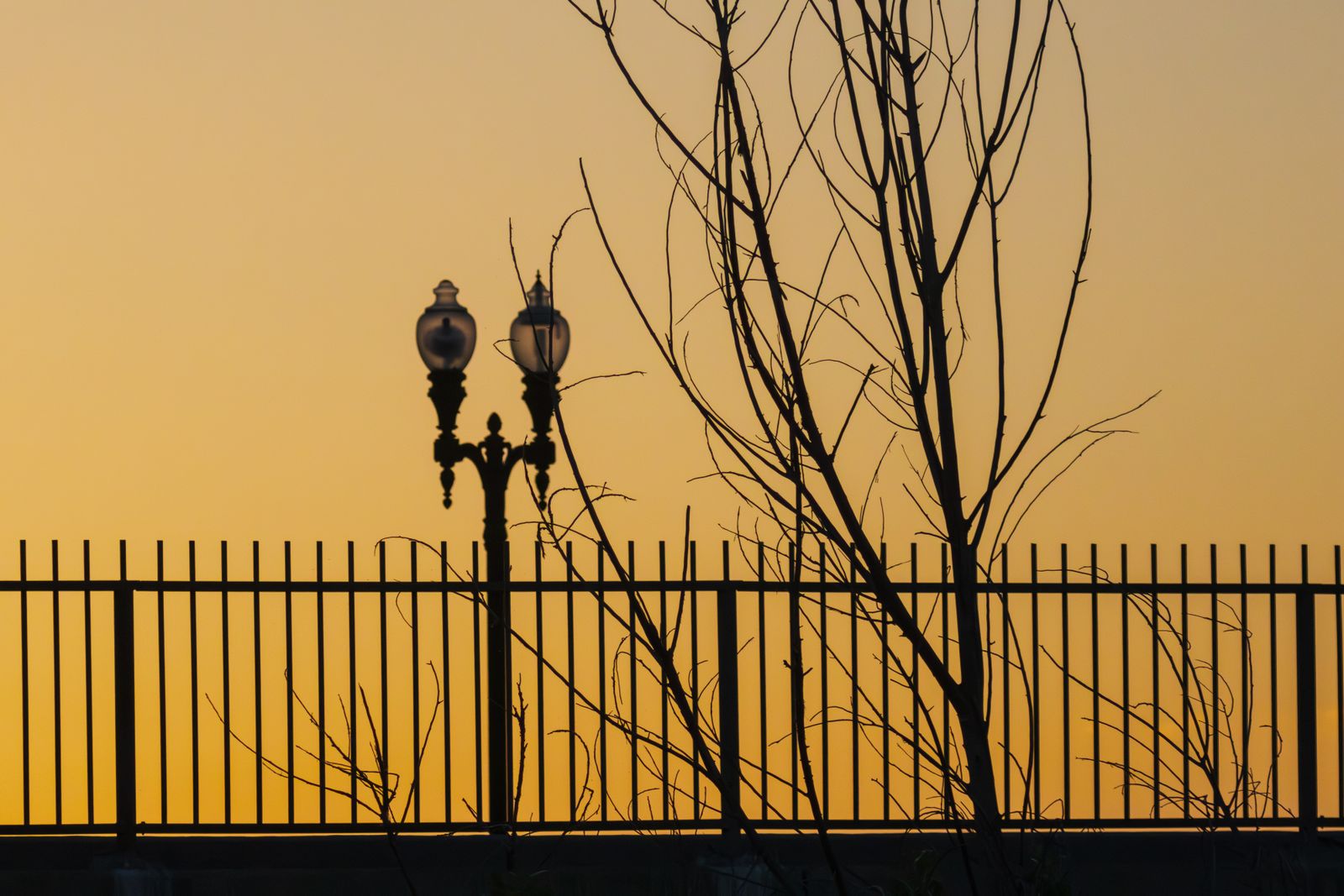
Photo by David Brown on Pexels
- Classy Caps : solar outdoor lighting including solar post caps.
- Solar-Powered Fence/Deck Post Lighting | Weatherables®
- NO WIRES! Solar Post Light Installation | The Short Version
Frequently Asked Questions
What is the short answer on 3-Step Setup for Solar Fence Post Lights Without Wiring? September 1, 2026 — The shift toward modular outdoor improvement has centered on Solar Fence Post Lights as a primary alternative to hardwired low-voltage systems. The conventional wisdom says that professional-grade perimeter lighting requires a trench and a transformer, but recent deployments of integrated photovoltaic caps prove otherwise.
What should you do next? According to industry documentation from Classy Caps, these systems eliminate the need to hire an electrician by utilizing self-contained timers and internal battery reservoirs that recharge via ambient sunlight.
What details matter most for 3-Step Setup for Solar Fence Post Lights Without Wiring? September 1, 2026 — The shift toward modular outdoor improvement has centered on Solar Fence Post Lights as a primary alternative to hardwired low-voltage systems. The conventional wisdom says that professional-grade perimeter lighting requires a trench and a transformer, but recent deployments of integrated photovoltaic caps prove otherwise.