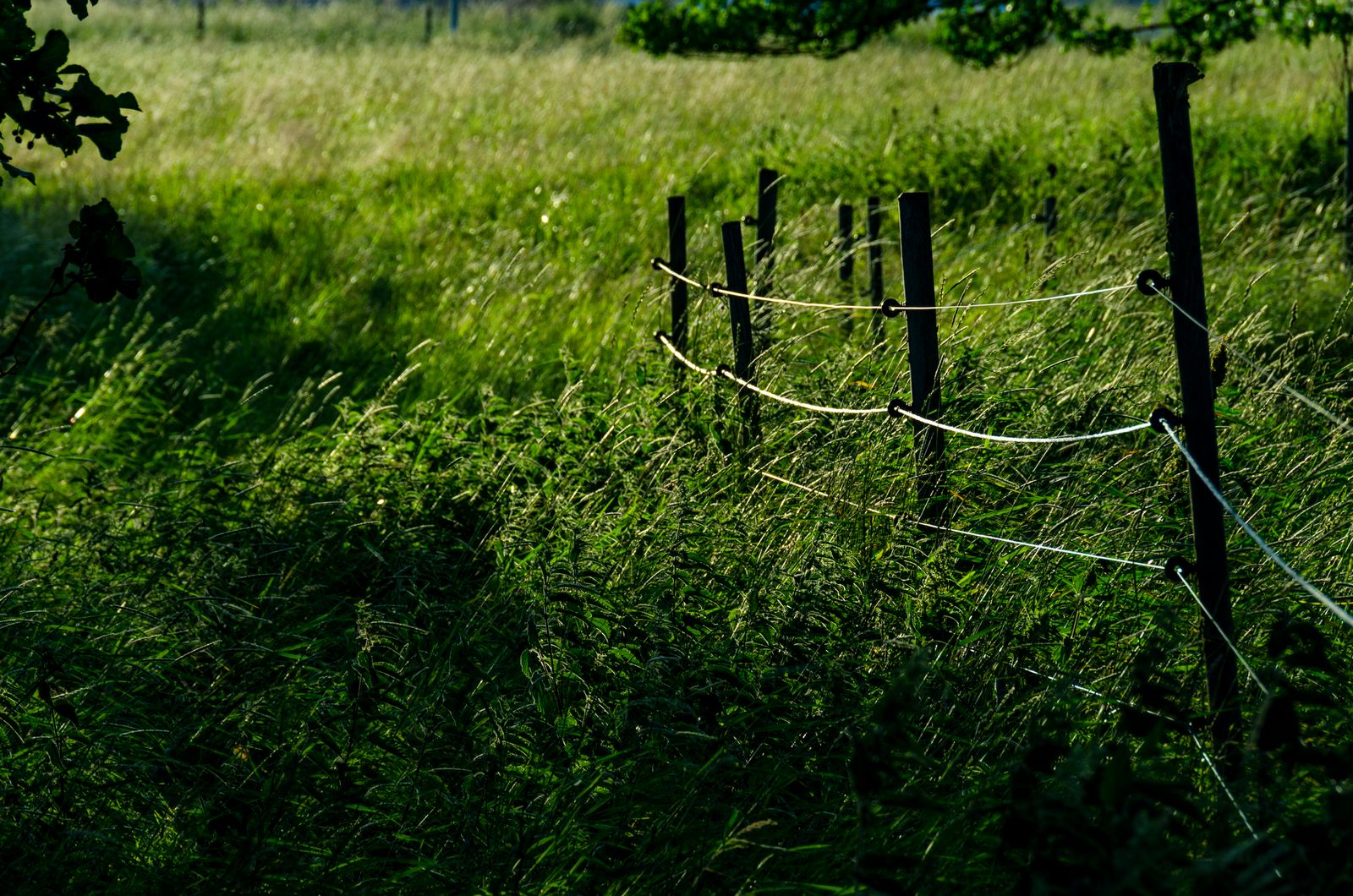
How to Charge Solar Fence Post Lights on Overcast Winter Days
Contrary to common myth, solar panels charge on cloudy winter days by absorbing diffuse UV radiation penetrating the atmosphere. To keep post lights lit through dark nights, wipe frost and grime off panels bi-weekly, clear foliage shadows, and switch MATULSA post lights to Warm White mode to reduce nightly power consumption by up to 30%.
Winter Solar Charging Timeline: Daily Daylight & Absorption Cycles
- 07:00 AM – 09:00 AM (Dawn & Frost Removal) — Morning light penetrates cloud cover. Inspect post cap panels and gently wipe off heavy frost, ice glaze, or overnight condensation with a microfiber towel.
- 09:00 AM – 03:00 PM (Peak Diffuse Daylight Window) — Maximum diffuse UV radiation hits skyward-facing post cap panels. Panels collect 40% to 60% of their standard solar output, transferring current into rechargeable Ni-MH batteries.
- 03:00 PM – 05:00 PM (Dusk Transition & Photocell Activation) — Ambient daylight drops below sensor threshold. The automated photocell triggers the internal switch, powering the LED array using stored battery energy.
- 05:00 PM – 07:00 AM (Nighttime Discharging) — The battery provides continuous current. Operating in Warm White mode minimizes milliamp-hour draw, ensuring light output persists until early morning daylight.
Winter Post Light Micro-Maintenance Schedule
Photo by David Brown on Pexels
- Bi-Weekly (Late Autumn through Early Spring) — Wipe post cap solar panel covers with a warm, damp microfiber cloth to strip away grime, soot, atmospheric salt, and dried sap film.
- Post-Storm (After Heavy Snowfall) — Gently sweep loose snow off post cap tops using a soft brush or gloved hand. Avoid scraping ice with metal tools or applying harsh chemical ice melts.
- Monthly Checkup — Inspect the fit of 4x4 or 3.5x3.5 post cap housings on wood or vinyl posts to verify seals are tight and free from ice expansion stress.
- Season End (Early Spring) — Test battery charge retention. If runtime remains under 4 hours following a fully sunny spring day, clean battery terminals or replace internal rechargeable AA Ni-MH cells.
Recommended LED Setting & Energy Conservation Strategy
To prevent early shut-offs during long overcast spells, select the Warm White (3000K) mode on your MATULSA 3-color solar post cap lights. Lower kelvin temperatures draw significantly less electrical current from the battery circuit than Cool White (5000K) or Daylight (6000K) settings.
By switching to Warm White during dark winter months, you extend nightly illumination by up to two additional hours without compromising ambient landscape safety or deck aesthetics.
Pro Tip: Leveraging Ground Reflection & Lens Maintenance
Fresh ground snow acts as a powerful natural reflector, bouncing diffuse ambient light upward toward fence posts and railings. While top-mounted solar panels absorb overhead daylight, keeping the surrounding clear polycarbonate housing clean allows scattered ambient reflection to support internal photocell efficiency.
Caution: Never use chemical de-icers, salt, or alcohol solutions to clear frozen post cap covers. These compounds permanently fog polycarbonate lenses, lowering light transmission rates for the rest of the product's lifespan.
Overcast Winter Solar Charging FAQ
Get expert answers to common questions about managing solar fence post lights during dark winter weather.
Troubleshooting Matrix: Winter Runtime vs. Cloud & Weather Factors
| Condition / Symptom | Primary Winter Cause | Impact on Solar Harvest | Corrective Action |
| --- | --- | --- | --- |
| Heavy Overcast / Dark Gray Skies | Dense cloud layers scatter shortwave sunlight photons. | Solar output drops to 40%–50% of peak capacity. | Switch light to Warm White mode; wipe solar lens bi-weekly with warm water. |
| Snow Cap Layer on Top Panel | Opaque snow layer blocks photons from reaching PV cells. | 0% energy generation while covered. | Gently brush off snow immediately following storms using a soft glove or foam brush. |
| Sub-Zero Nighttime Temperatures | Cold slows internal electrochemical reaction inside Ni-MH battery. | Available battery discharge capacity drops 15%–25%. | Perform a 24-48 hour 'boost charge' by turning the switch OFF during daytime light, then back ON. |
| Bare Branch Shadow Casts | Lower winter sun angle causes trees or roof eaves to shadow posts. | Direct and diffuse exposure window shortened by hours. | Trim bare winter branches blocking peak midday solar trajectory (10 AM - 2 PM). |
Diagnose dimming issues, reduced runtime, or charging failures during winter weather using this criteria-based matrix.
Late Autumn to Spring Solar Care Calendar
| Month / Season | Solar & Climate Conditions | Key Post Cap Maintenance Focus |
| --- | --- | --- |
| November / Late Fall | Decreasing daylight hours; frequent overcast days. | Switch LED setting to Warm White mode; trim bare branches casting midday shadows. |
| December / Winter Solstice | Shortest daylight window of the year (under 9 hours). | Inspect waterproof seals on 4x4 and 3.5x3.5 caps; wipe panels weekly to clear frost. |
| January / Deep Winter | Frequent snowfall, freezing temperatures, heavy clouds. | Clear snow overhangs after storms; execute a 24-hour boost charge if lights shut off early. |
| February / Mid-Winter Freeze | Extended sub-zero spells; thick morning dew/frost. | Verify battery compartment remains dry and corrosion-free; check post mounting snugness. |
| March / Early Spring | Expanding daylight hours; higher solar elevation angle. | Deep clean solar lenses; test battery runtimes and switch to Cool White or Daylight if desired. |
Track essential seasonal checkpoints from late fall through early spring to ensure year-round deck lighting performance.
Key Takeaways: Keeping Fence Lights Lit All Winter
- Solar panels convert diffuse UV light during overcast weather; full direct sunlight is not required for partial charging.
- Switching MATULSA post cap lights to Warm White (3000K) saves up to 30% battery power compared to higher kelvin modes.
- Surface dirt, salt, and frost significantly reduce diffuse light penetration—clean panel covers bi-weekly.
- Never scrape frozen post cap tops with metal scrapers or chemical ice melts; use warm water and microfiber cloths.
- A 24- to 48-hour 'boost charge' with the power switch set to OFF restores battery reserves after severe winter storms.
Regional Winter Climate & Daylight Adjustments
Winter daylight levels vary across geographic regions in the United States. Tailor your solar post light management to your regional environment:
- Northern & Mid-Atlantic States: Long winter nights and frequent lake-effect snow require weekly panel cleaning and permanent Warm White mode selection from November through February.
- Pacific Northwest: High overcast cloud volume and regular rainfall mean panels harvest predominantly diffuse light. Keep panels free of moss, pine needles, and sap glaze.
- Southern & Sunbelt States: Lower sun angles still provide ample light, but shadows from structures lengthen. Re-evaluate post placement or trim foliage along south-facing fence lines.
Winter Solar Post Cap Optimization Checklist
- Wipe panel surfaces with damp microfiber cloth bi-weekly to remove dust and pollution film.
- Gently brush off snow immediately after storms; do not scrape frozen ice with metal tools.
- Switch MATULSA post lights to Warm White mode to reduce nightly battery discharge rates.
- Trim bare winter tree branches that cast shadows during peak midday hours.
- Inspect post cap seals to ensure no water accumulates inside battery housings during freeze-thaw cycles.
Related Winter Maintenance & Outdoor Lighting Resources
- Best Solar Post Lights for Winter (Cold Climate Buying Guide)
- Solar Post Cap Lights Winter FAQ: Battery Life, Waterproofing, and Snow Performance
- How to Protect Solar Fence Post Lights From Heavy Rain & Winter Frost
Top-Rated Resilient Solar Post Cap Lights
Engineered for durability across all seasons, MATULSA solar post cap lights feature IP65 waterproof sealing, versatile post fitting options, and 3-color selectable LEDs ideal for winter energy conservation.
Actionable Next Steps for Winter Solar Performance
Your decision: Determine if your current post lights are receiving sufficient diffuse light or if setting adjustments and cleaning are needed.
Do this next: Clean solar panels with warm water and a microfiber cloth, trim overhanging winter branches, and select Warm White mode on MATULSA post lights.
- Read next: Why Do Solar Fence Lights Die Fast in Winter? Battery Optimization & Troubleshooting
- Read next: How to Protect Solar Fence Post Lights During Heavy Rain and Winter Frost
MATULSA Waterproof 3-Color Solar Post Cap Lights (Black 4x4 or White 3.5x3.5/4x4 Pack)
Cover photo by Alexander Zvir on Pexels.