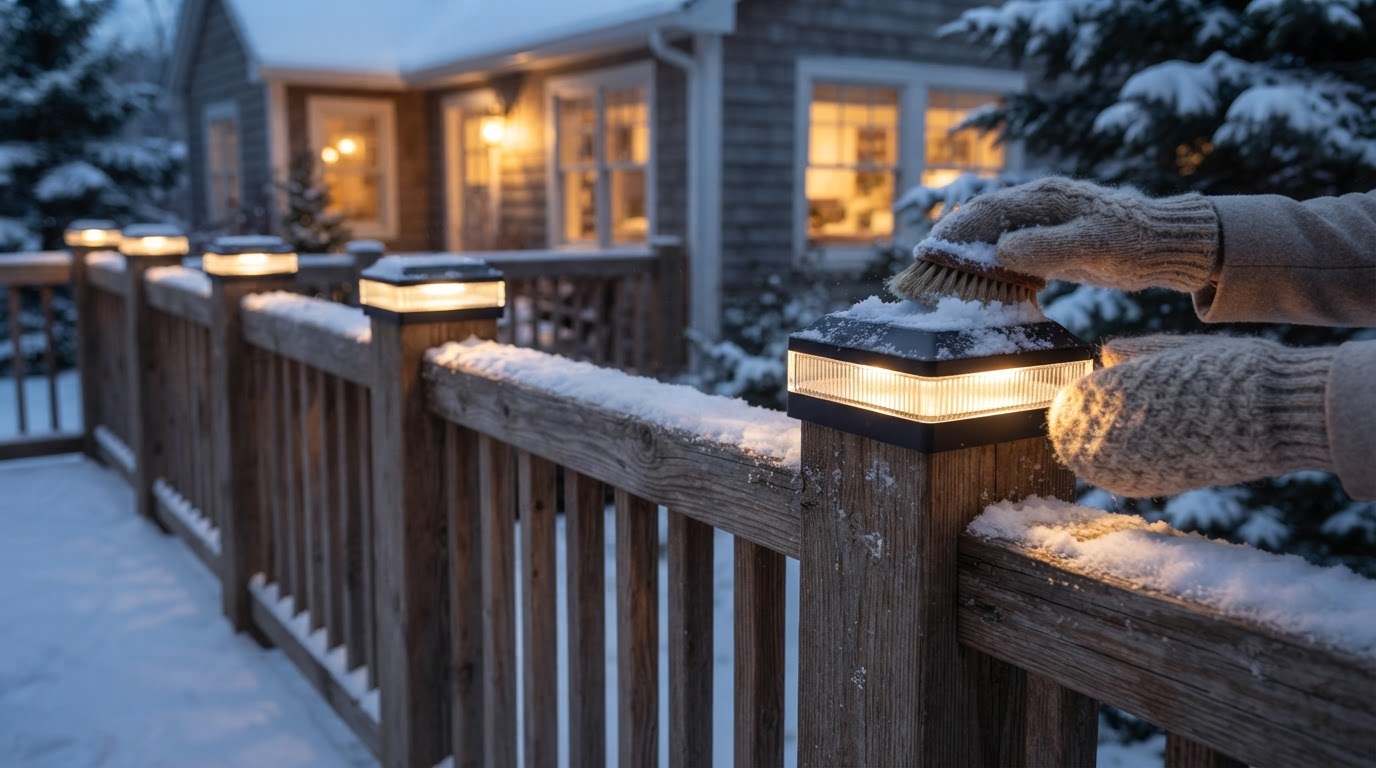
Do Solar Fence Post Lights work during the winter months?
 Maya ChenContributing Editor
October 9, 2026 — Solar Fence Post Lights remain functional during winter provided their photovoltaic panels are cleared of physical obstructions like snow and the ambient temperature stays within the battery's operating range.
The conventional wisdom says that solar technology is a seasonal luxury, effectively useless from November through March. Homeowners often assume that shorter days and freezing temperatures render their outdoor lighting decorative rather than functional. Here’s the part nobody talks about: the failure of these lights in winter is rarely a result of the cold itself, but rather a failure of maintenance and a misunderstanding of how light spectrums interact with silicon cells under cloud cover.
How does freezing temperature affect Solar Fence Post Lights?
Freezing temperatures do not stop the generation of electricity, but they significantly alter the chemistry of the rechargeable batteries housed within the post caps. While the solar cells themselves actually operate more efficiently in colder temperatures due to reduced internal resistance, the chemical reactions inside standard NiMH or Lithium-ion batteries slow down, leading to a lower capacity to hold a charge. According to Solar-eye, solar lights charge the battery during the day, and a sensor triggers the LED at night; however, if the battery cannot reach a full state of charge due to temperature-induced resistance, the runtime is slashed by up to 50% regardless of how much sun hits the panel.
Run the math: a standard 600mAh battery that provides 8 hours of light in July may only provide 3 to 4 hours in January. This is compounded by the fact that the sun sits lower on the horizon, reducing the intensity of the photons hitting the panel. If you are using solar fence lights for security, this reduction in runtime creates a vulnerability window in the early morning hours. To mitigate this, ensuring you have waterproof solar garden post lights is critical, as moisture ingress during freeze-thaw cycles is a more frequent cause of permanent hardware failure than the cold itself.
Why do Solar Fence Post Lights seem dimmer in winter?
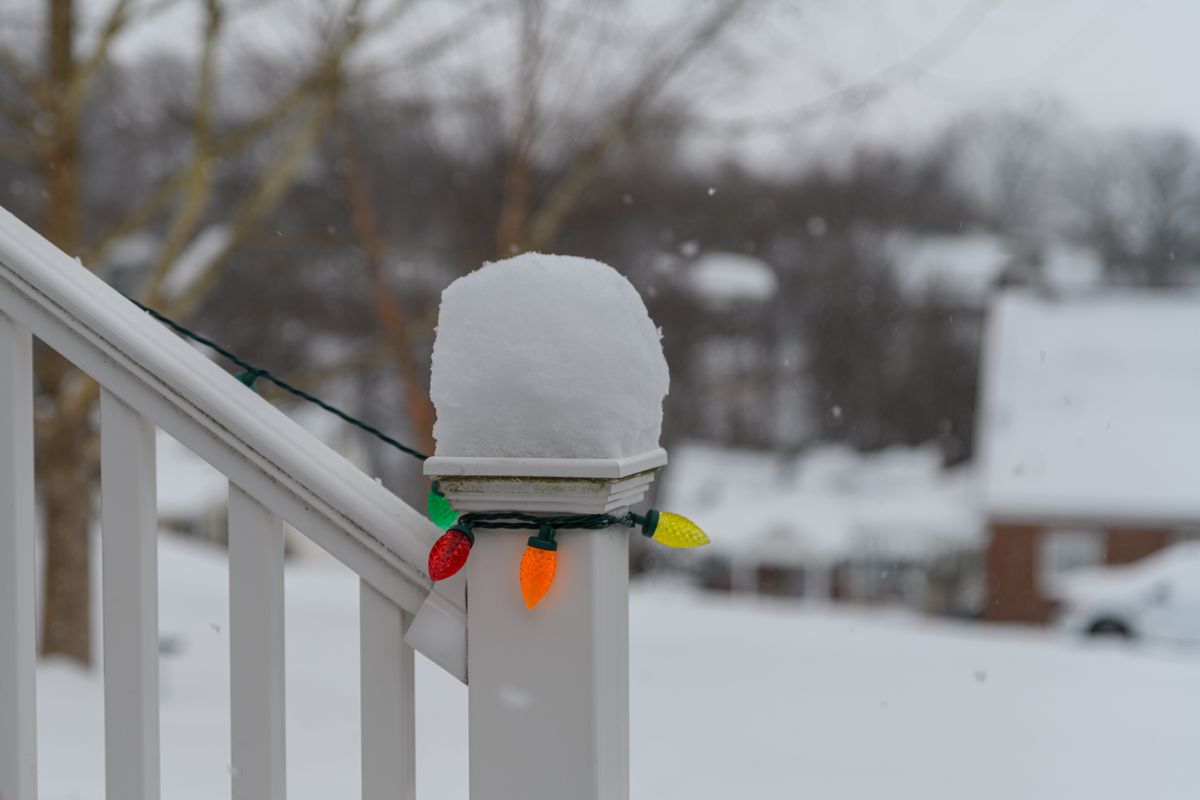
The perceived dimness of Solar Fence Post Lights in winter is primarily a consequence of insufficient charging time and the accumulation of environmental debris on the panel surface. Enkonnsolar notes that snow coverage, dirt, and reduced daylight hours are the primary culprits for lights stopping or dimming in winter. When a layer of snow just 1cm thick covers a panel, it can block nearly 100% of incoming solar radiation, preventing any charging from occurring. Even without snow, the "dusk" trigger occurs much earlier in the day, forcing the light to operate for a longer duration on a smaller energy reserve.
For those prioritizing dusk to dawn solar post lights, the winter reality is a struggle between limited intake and high demand. Achieving brightest solar fence post lights performance requires the user to manually clear the panels after every snowfall. I’ll change my mind about the "unreliability" of winter solar when manufacturers start integrating larger 18650 lithium-phosphate batteries as standard in 4x4 post caps to buffer against these multi-day low-light events.
Quick answers
Q: Do I need to take my solar lights inside during the winter? A: No, most Solar Fence Post Lights are designed for year-round use, but you must ensure they are rated for temperatures as low as -20°C to avoid casing cracks. Streetlights-solar notes that while batteries are affected, the main threat is snow and ice covering the panels and blocking sunlight.
Q: Will solar lights charge through a layer of snow? A: No, snow is opaque to the specific wavelengths required by photovoltaic cells, meaning even a thin dusting will halt the charging process entirely. Data from Enkonnsolar indicates that dirt and debris accumulation during winter storms further degrades charging efficiency by up to 25% if not cleaned.
Q: Why did my cheap solar post lights stop working after the first frost? A: Entry-level lights often use inferior seals that allow moisture to enter; when this water freezes, it expands and cracks the internal housing or ruins the circuit board. A report from a UK-based consumer group on Facebook highlighted that cheaper lights from budget retailers often fill with water or suffer frost damage, unlike higher-end weather-sealed units.
Learn more about Solar Fence Post Lights at https://solarfencepostlights.com.
Sources
- Solar Lights in Winter: The Ultimate Guide to Protecting Your Solar Lights
- Stupid question but do solar lights still work in the winter ( uk ) ? I normally ...
- Blog | Do Solar Lights Work When It's Cloudy or in Winter?