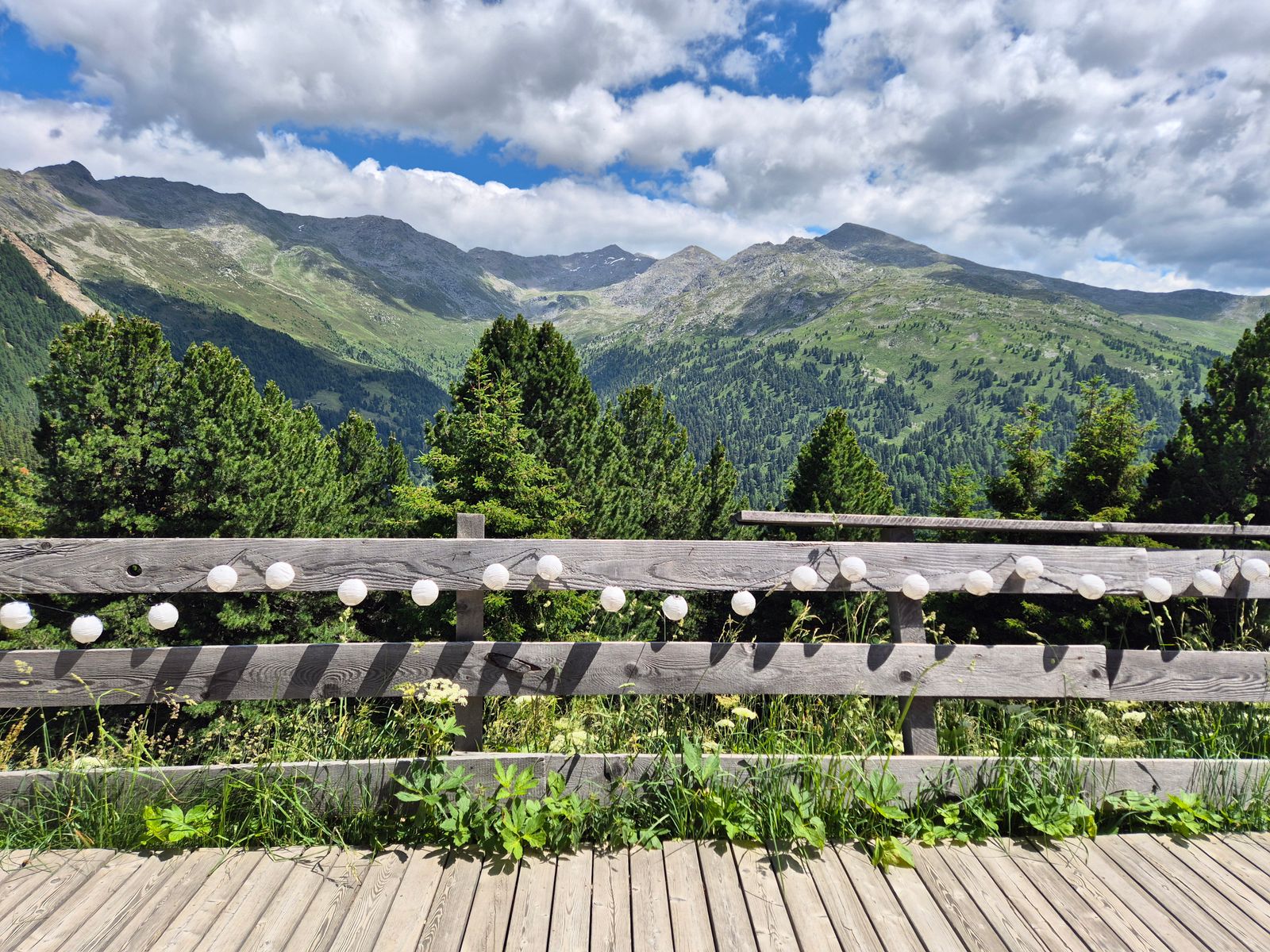
How to Choose the Right Deck Lighting Temperature for Every Mood and Occasion
Choose deck lighting temperature by treating it as the color of light on the posts, not as a numbered lab value. MATULSA solar post cap lights are 3-color-changing, so the mood switch is a mode on the cap, used the same way on every sunlit deck post. Match housing color — black for 4 in x 4 in or white for 3.5 in x 3.5 in or 4 in x 4 in — to the deck in daylight, then pick one nighttime mode for dinner, a quiet evening, or a gathering.
Temperature here is a color mode, not a spec sheet
Lighting temperature, in trade talk, is how warm or cool a white light feels. This product does not publish a degree rating. What it does publish is 3-color-changing light on a solar post cap. For a deck, that means choosing a mode that fits the occasion, then leaving the run alone so the posts agree.
Mood fails when one newel is on a festive color and the next is on a quieter one. Occasion fails when the caps try to light the table. Post caps mark the deck’s bones. Plates and faces still need whatever table light already exists.
Do not hunt a lumen number that is not listed. Outdoor waterproof, solar-powered post caps on wood or vinyl are the fixture. The mood is the mode.
Map occasions to one run of posts
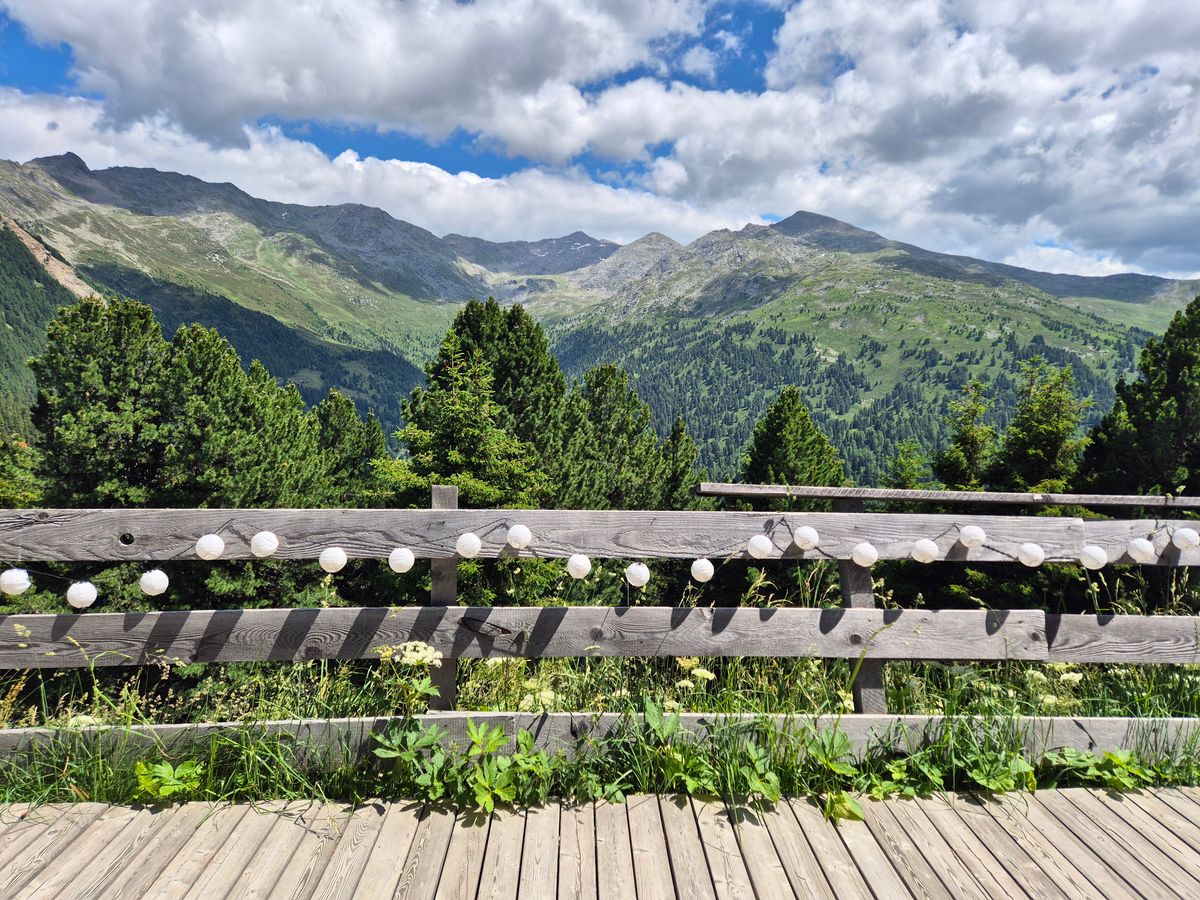
Photo by Anne van der Valk on Pexels
Quiet night: the calmest mode, all posts the same, housing already matched to stain or vinyl. Dinner with guests: the same calm or a slightly more open mode, still uniform, so people can find the rail and the step-off without a carnival edge. Gathering: a more saturated mode is fine if every cap changes together and neighbors can live with it.
Switch for the occasion; do not leave mixed leftovers after the event. Morning should see a tidy line of black or white caps, not a reminder of last night’s color experiment.
Porch and patio posts that belong to the same sitting area should share the deck’s mode. A fence behind the deck can share it too, or sit one step quieter, but not a third random color.
Daytime housing versus nighttime color
Black 3-color-changing caps on 4-inch tops recede on dark decks. White 3-color-changing caps on 3.5-inch or 4-inch tops read as painted trim on pale boards and vinyl newels. That choice is mood at noon. It does not replace the nighttime mode, and it does not forgive a wrong size.
If the deck mixes 3.5-inch and 4-inch posts, white is the listed housing that can cover both. Mixing black and white housings on one small deck usually looks like two projects. Match the dominant post size and the dominant trim color.
Packs of 4 or 8 should cover the deck posts that see sky. A covered portion of the deck will not charge well. Those newels stay unlit rather than dragging the mood down with dead caps.
Occasion lighting that stays on the posts
A deck mood plan is a ring of solar fence post lights, not a layer of extra fixture types. Keep the caps on the posts. Do not move the same idea onto treads or a walk as if the cap were a different product.
Waterproof outdoor design handles a rain-shortened party. Wind still asks for a seated cap. A mood light on the lawn after a gust is not ambiance.
If the occasion is rare and the deck is small, a 4-pack on the four most visible newels is enough. If the deck is a full ring, an 8-pack or more than one pack keeps the temperature — the color mode — consistent all the way around.
Mood, occasion, and what the posts should do
| Occasion | Post-cap move | Avoid | | --- | --- | --- | | Quiet evening | One calm 3-color mode on every lit post | Mixed colors on adjacent newels | | Dinner | Same uniform mode; posts as edges, not table lamps | Aiming for face-lighting from the cap | | Gathering | One bolder mode, switched together | Leaving party color on all week | | Daytime look | Black or white housing matched to the deck | Choosing housing after the posts are wrong-sized | | Covered nook | Skip solar caps that cannot see sky | A dark cap in the middle of the ring |
A repeatable evening routine
Before guests, walk the deck. Confirm every cap is seated and the solar faces are clean. Set one mode. That is the temperature choice for the night. After guests, return to the quiet mode if the household lives with the deck daily.
Gardens and porch posts visible from the deck should not fight that mode. Perimeter fence caps can match or go quieter. The rule is agreement, not variety.
Solar powered means the mood does not need a switch on the house wall. It does need sun the day before. A string of dull caps after a dark, wet afternoon is a charging story, not a reason to change color theory.
Deck mood and color-mode checklist
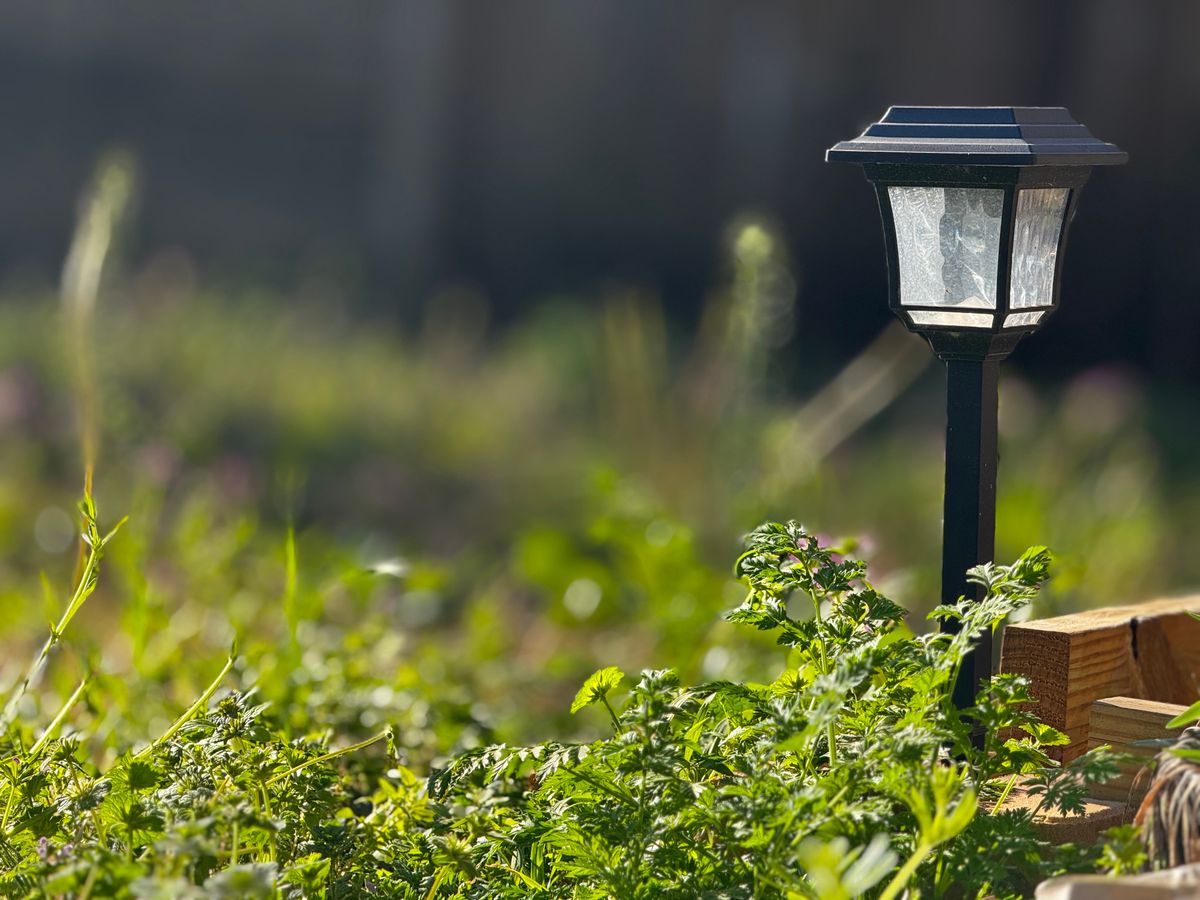
- [ ] Measure deck posts; fit black 4x4 or white 3.5/4.
- [ ] Match housing color to the deck in daylight.
- [ ] Cap only newels that see the sky.
- [ ] Choose one 3-color-changing mode for the occasion.
- [ ] Keep table lighting separate from post caps.
- [ ] Return to a quiet uniform mode after a gathering.
Frequently asked questions
What Kelvin rating should a deck use?
This product does not list a degree rating. Choose a 3-color-changing mode that fits the night and use it on every post.
Can each post be a different color for fun?
It can, and it usually reads as clutter. Mood wants a ring, not a sampler.
Does housing color change the light temperature?
Housing is the daytime cap color. Light mode is the nighttime color. Set them separately.
Will post caps light a dining table?
They mark the posts around the deck. Table light is a different job.
How many caps does a mood ring need?
As many sunlit deck posts as the ring requires, bought as 4-packs or 8-packs, all on one mode.
Related reading
Fit and setup pages that keep a deck ring of post caps consistent.
- 3.5x3.5 vs 4x4 solar post cap lights for wood and vinyl
- 3-step no-wiring setup for solar fence post lights
- weather-resistant solar post lights buyer’s guide
- how to measure fence posts for solar cap lights
What to do next
Stand on the deck at the hour you actually use it. Decide one 3-color-changing mode for that occasion, then check that every sunlit post can wear the same black or white cap at the listed size. Set the ring together. That is lighting temperature as a mood skill, not as a missing number on the box.
Cover photo by Anne van der Valk on Pexels.